Vorwerk Group DE | Climate Protection

Climate Protection

Vorwerk Gruppe Rauental Solar

Reduce emissions, 
build resilience

We work to reduce emissions in our own operations – with a 25% targeted reduction in Scope 1 and 2 emissions by 2030 – and across the value chain, while strengthening resilience for the future. Through energy efficiency, lower-carbon energy sources, product innovation, and close collaboration with our partners and suppliers, we aim to continuously lower our carbon footprint – and help our customers do the same.

Facts and targets

We measure what matters. Explore our latest figures, targets, and milestones in the area of Climate.

25  %
Scope 1 and 2 emissions reduction

A 25% reduction of Scope 1 and 2 emissions by 2030 compared to the 2025 baseline, aligned with a 1.5°C pathway.

98  %
Scope 3 emissions

Around 98% of emissions occur along the value chain (Scope 3)

100  %
low-emission electricity sources

Transition to 100% low-emission electricity sources by 2030 across all Vorwerk HOME entities.

1.4  GWh
of electricity

1.4 GWh of electricity generated through on-site photovoltaic systems in 2025 across the Vorwerk Group.

55  %
less energy

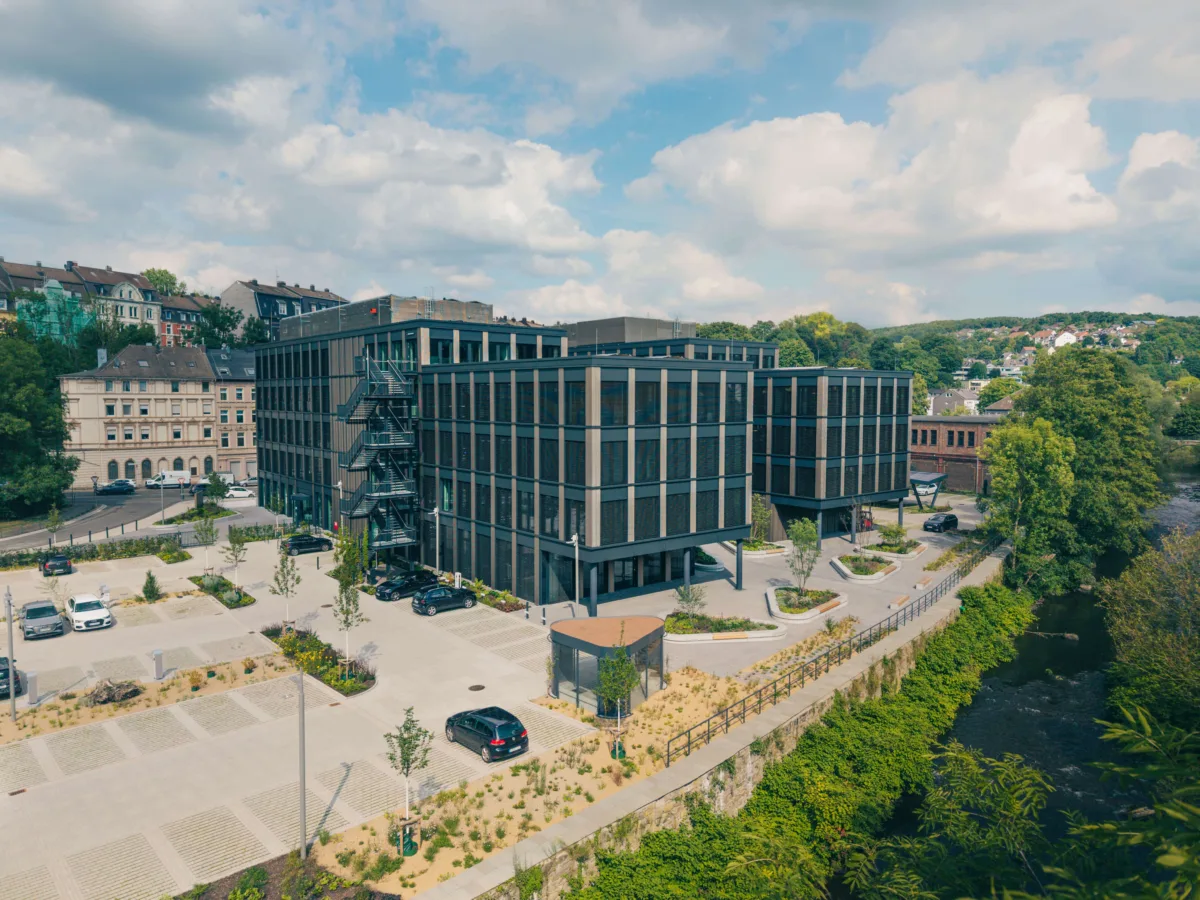
The company headquarters in Rauental, Wuppertal, opened in 2025, used 55% less energy from March to December per square meter than the previous building.

Rauental Drohne 2

Reduce emissions in our operations 

We systematically work to lower emissions from our own operations through energy efficiency, lower-carbon energy sourcing, and infrastructure improvements. Measures include renewable energy solutions, more efficient buildings, and the gradual electrification of our vehicle fleet. The science-based target: a 25% reduction in Scope 1 and 2 emissions by 2030, compared to our 2025 baseline.

Lowering emissions through smarter operations 

We aim to reduce the environmental impact of our operations by improving energy efficiency and increasing the use of renewable energies. Our new headquarters in Rauental, Wuppertal, illustrates this approach in practice.

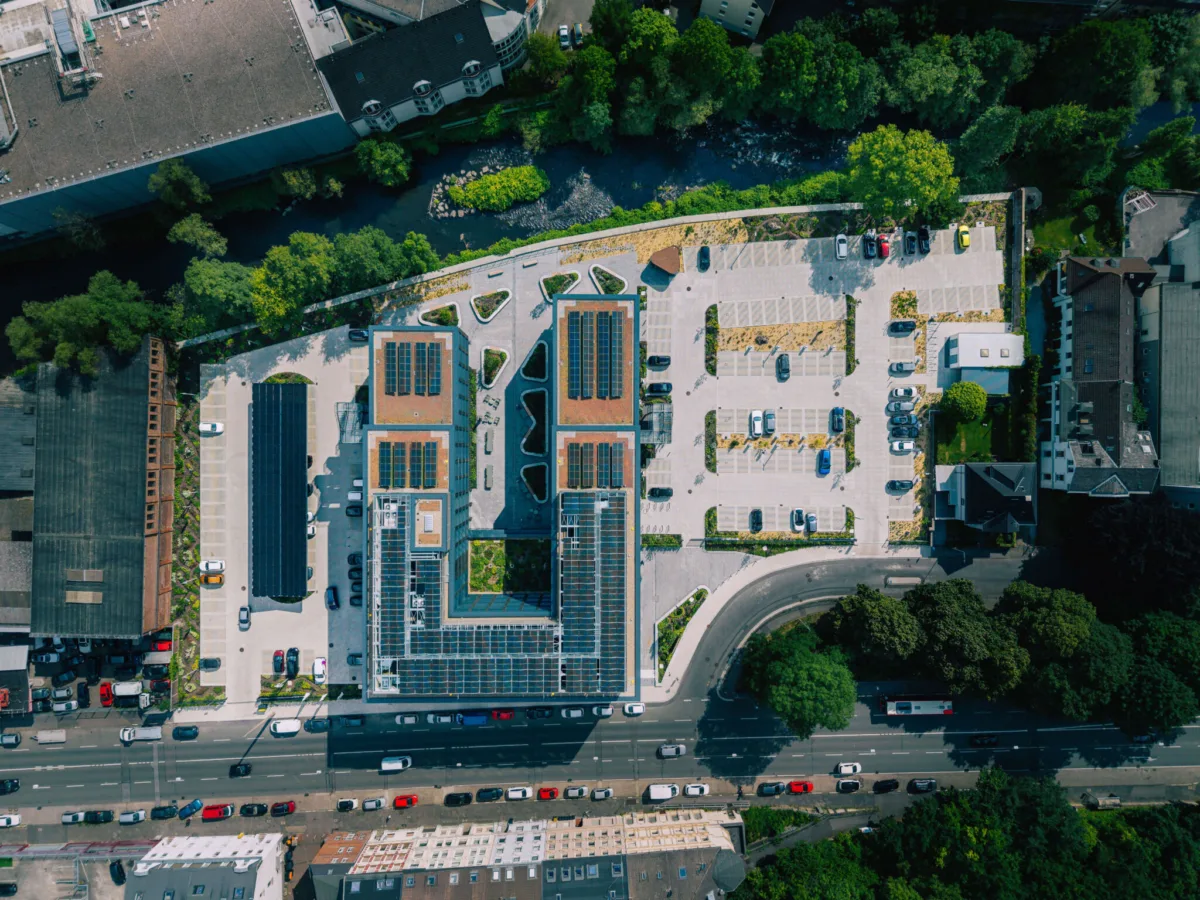
The building was engineered from the outset to minimize energy demand, combining a high-performance envelope with efficient, electric-first systems. Heat pump technology covers heating and cooling, while more than 700 m² of photovoltaic panels installed on the roofs and carports generate electricity on site. In the first year of operation, 76% of this self-generated power was used directly within the building, reducing reliance on the grid. Gas is used only as a backup – for hot water preparation in the kitchen and to cover heating peaks when outdoor temperatures fall below -3°C.

As a result, total energy consumption in the first year was 55% lower per square meter than at our previous headquarters,* while still supporting greater workplace comfort, including a new building cooling system, and significantly expanded EV charging infrastructure: available charging points increased from 19 to 45, with capacity planned for up to 68 as fleet electrification continues.

The building's design and performance have been independently recognized with DGNB Platinum certification and the Qualitätssiegel Nachhaltiges Gebäude. 

*Comparison based on energy consumption data normalized for differences in weather conditions between the two locations.

Decarbonize the value chain

Around 98% of our emissions occur along the value chain. We therefore focus on increasing transparency, identifying key emission drivers, and working with suppliers and partners on lower-impact materials, logistics, and processes. Product carbon footprints help us better understand and reduce emissions across the product lifecycle.

Putting product carbon footprints to work

Most of Vorwerk's emissions occur upstream and downstream of our own operations – for example in the materials we source, the way components are manufactured and distributed by partners, and how our products are used and eventually retired by customers. Our climate transition plan translates this into a sequence of action: which suppliers and material categories should be addressed first and how progress can be tracked over time.

Product carbon footprints (PFCs)  are the tool that makes this possible at a granular level. A PCF breaks down emissions stage by stage – from raw material extraction and component manufacturing, through assembly and packaging, to the use phase and end-of-life treatment. This stage-by-stage view allows us to pinpoint exactly where a product's footprint is concentrated, rather than relying on company-wide averages, and to prioritize levers such as material substitution, supplier engagement, or logistics changes where they have the greatest effect.

PCFs also create a shared, fact-based starting point for conversations with suppliers and partners about where collaboration can reduce impact. This helsp to turn a complex, distributed challenge into a set of specific, addressable steps.

Vorwerk Gruppe Sustainability Material