Reducing resource consumption
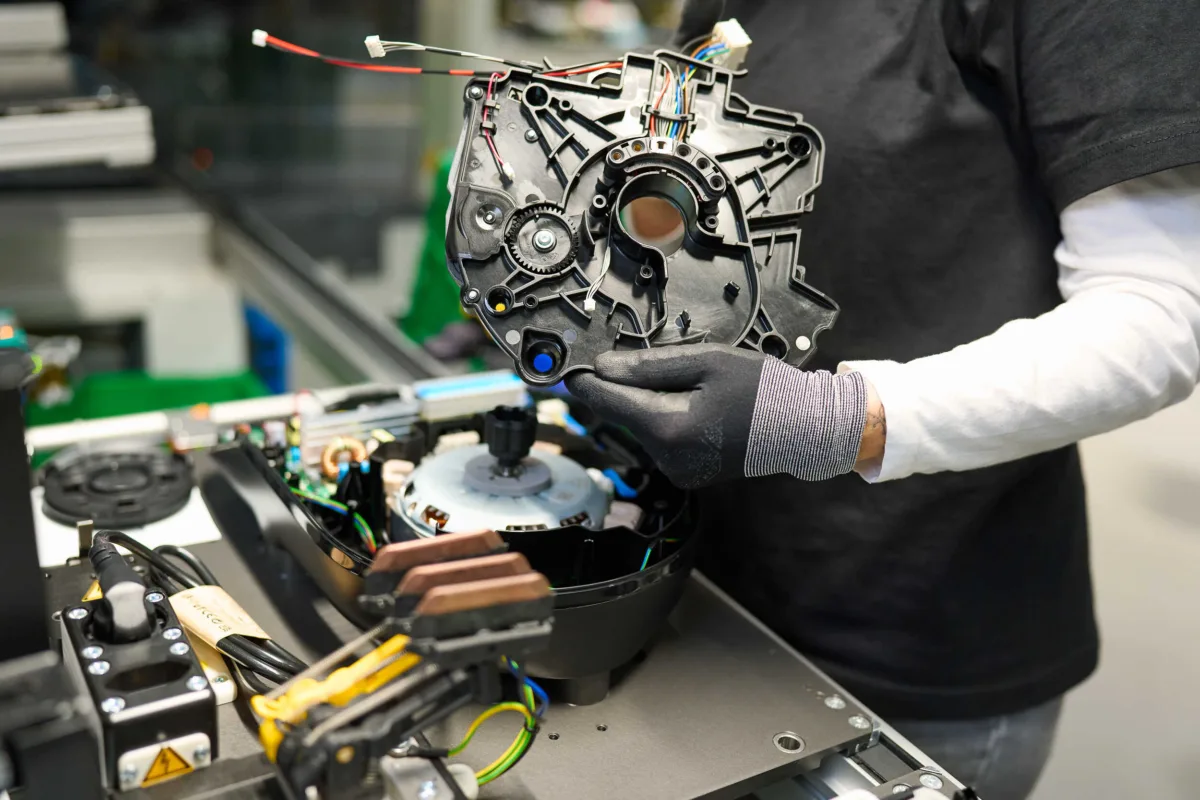
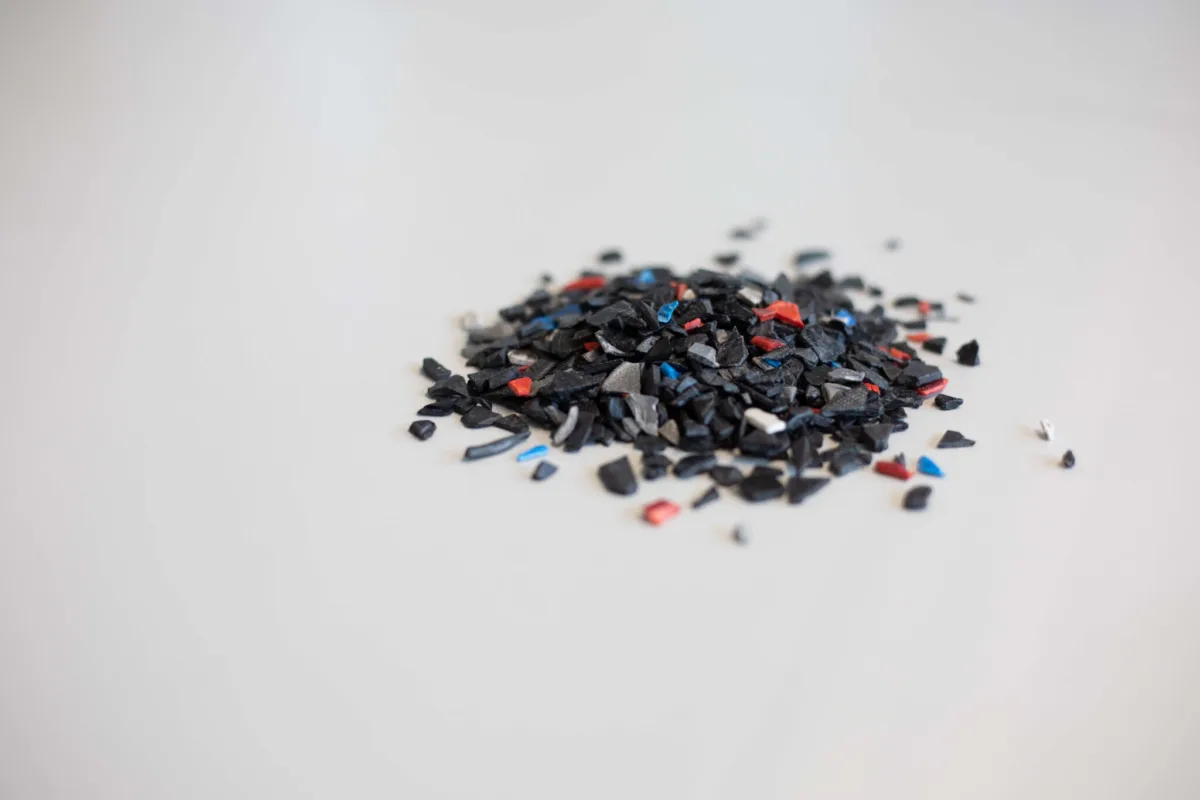
The materials used in our products are considered from the very start of the development process. In selected Thermomix® and Kobold components, we use recycled plastics and bio-based materials. We also give production residues a second life by reusing them in other components.
What the Thermomix® TM7 is made of
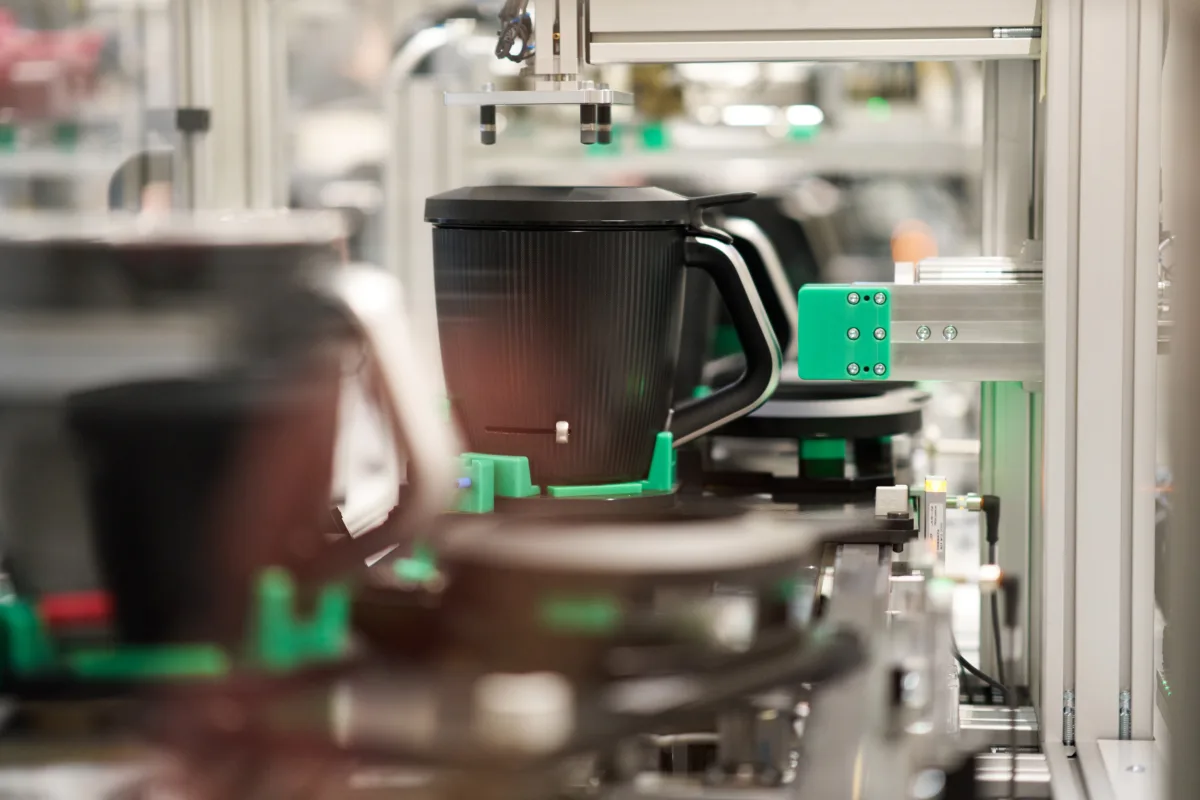
Around 30% of the appliance’s weight comes from recycled materials used in its metal and plastic components. The lower housing shell is made from ABS plastic with 70% recycled content, sourced from post-consumer plastic waste. For the lid, we use PA11, a castor-oil-based plastic.
How we reuse materials in Kobold products
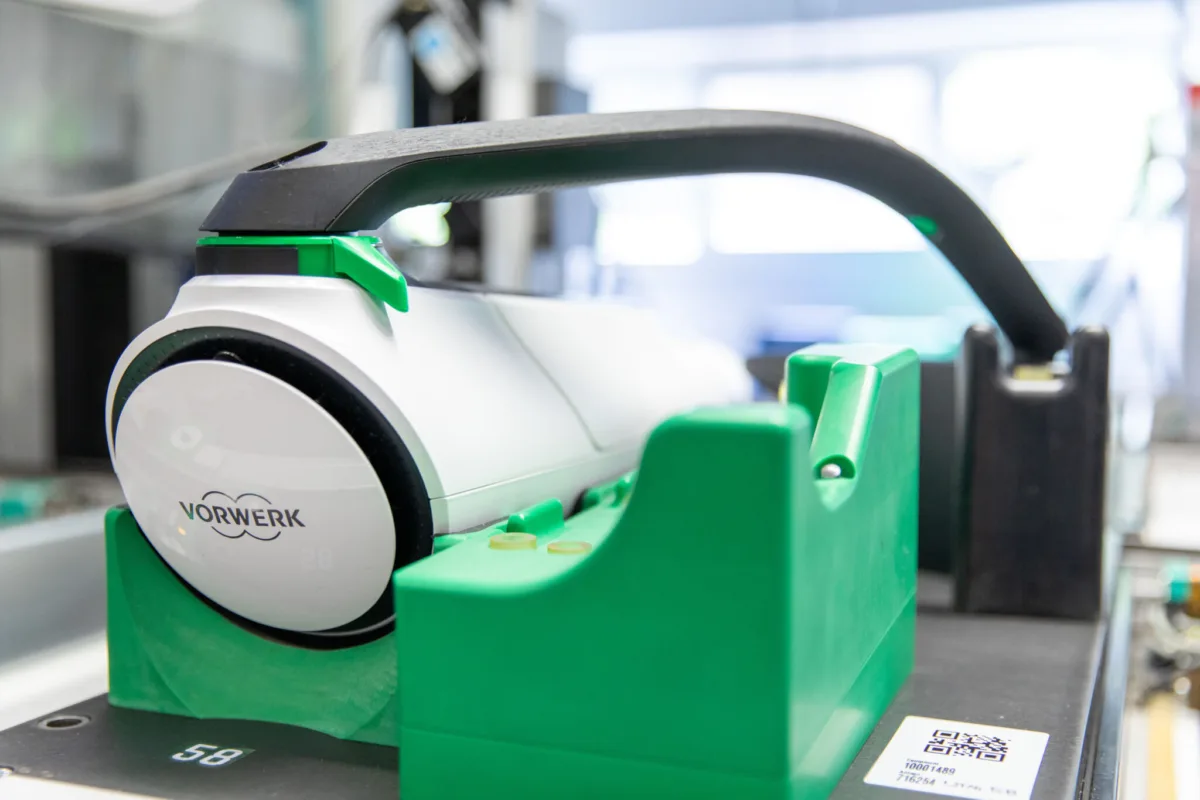
Selected Kobold components make use of recycled materials and production residues. The handle and structural elements of the VK7 are made from polypropylene containing 30% recycled carbon fibres. The internal support of the RB7 robot vacuum base is produced from ABS plastic with 95% recycled content derived from production waste.
For the motor plate of the Kobold SP7, we use leftover material from the production of the Thermomix® TM6 bowl handle. The replacement filter bags for the VK7 contain at least 80% recycled material from production waste.
Packaging materials matter too
We also use recycled materials in the packaging of the Thermomix® TM7: the cardboard contains at least 80% recycled material, while the fibre-based cushioning is made entirely from recycled material. The packaging film contains at least 30% recycled material.
The packaging of the Kobold VK7 contains at least 60% recycled material overall. The recycled content is 80% for cardboard and cushioning materials, and at least 30% for plastic bags and packaging films. Cardboard, cushioning materials, and packaging films are each 99% recyclable.